The Power of Reading'Of all the subjects taught in school, reading is first among equals - the most singular in importance because all others rely on it.
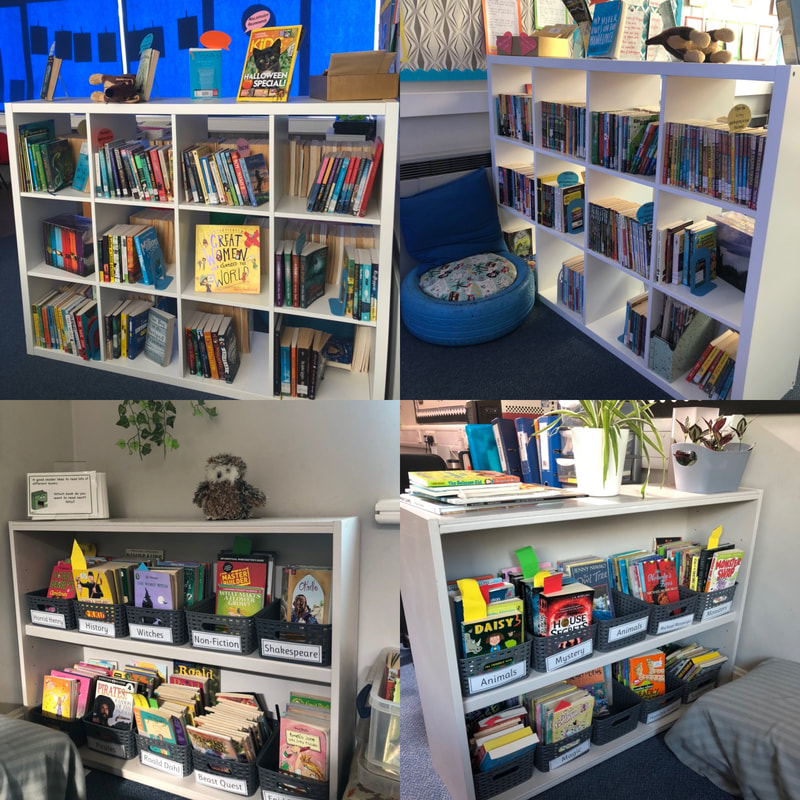
Excellence in almost any academic subject requires strong reading.' Reading Reconsidered, 2016 At Elloughton Primary School, we are so passionate about reading. We believe that reading is the key to unlocking so many opportunities for our pupils. Throughout the week, pupils will hear high quality, rich texts being read to them, they will also have opportunities to read a text of their choosing for pleasure. Every child takes at least one book home to read - these are appropriate for their age and matched perfectly to their ability to decode. Throughout the week, we also teach reading fluency and comprehension in our whole class reading lessons. Across the school, children are heard reading 1:1. Across Key Stage 1, and in some parts of Key Stage 2, pupils also take part in small group reading sessions. What is more, we also welcome volunteers in to hear pupils read and we hold reading intervention sessions for pupils who require support in either phonics, an aspect of fluency or comprehension. We are so proud of everything that we do to develop the pupils' reading ability. What is more, we also work hard to inspire a life-long love of reading. Please read on to see our reading provision in more detail. Reading Scheme
Our decodable reading books are organised in the given sequence of the Bug Club programme and reading books build letter-sound correspondences cumulatively. In addition to daily phonic lessons, early reading is developed through ‘group reading’ sessions. During these sessions reading is taught in small groups to develop phonic knowledge, fluency and comprehension skills. These sessions develop pupils' confidence in reading texts/books that closely match the letter-sound correspondences at home and at school. Pupils practise sounding out the words in the story and read exception words before they read the text/book then are expected to re-read these texts/books at school and home to build fluency. Any pupils falling behind are given extra practice to re-read these texts/books and they continue to read books in a progressive sequence until they can decode unfamiliar words confidently. Early Reading
By the end of Key Stage 1, we aspire to support pupils from learning to read, to reading to learn. ‘Learn to read accurately by the age of six...read to learn for the rest of your life’ 
Our aims: To ensure all pupils make speedy progress in phonics and reading We start teaching phonics in Nursery/Reception and follow the Bug Club sequence of sounds, which ensures children build on their growing knowledge of the alphabetic code, mastering phonics to read and spell as they move through school. Pupils’ progress in reading is dependent upon both the speedy working out of the pronunciation of unfamiliar printed words (decoding) and the speedy recognition of familiar printed words. All teachers have the highest expectation that children will become proficient readers by the end of Key Stage 1 through our systematic, consistent implementation of our chosen phonic programme. The intent behind our phonics approach is to:
The impact of our consistent and systematic teaching of our phonics programme is that children become fluent readers by the age of KS1. In addition, our Phonics Screening data was 89% in 2019. Early Reading and Writing- a quick video which provides an insight into how we teach early reading and writing in EYFS.
https://www.youtube.com/watch?v=W69eQSLpa2M&authuser=0 
National Phonic Screening
All children in Year One will be screened using the National Assessment materials in the summer term. The test usually takes place in June and consists of children reading 40 words which are a variety of real and pseudo (made up) words. If a child in Year One does not reach the required level then additional support will be put in place in order for the child to make accelerated progress with their reading and writing. They will be retested when they are in Year Two. This data will be submitted to the local Authority.
|

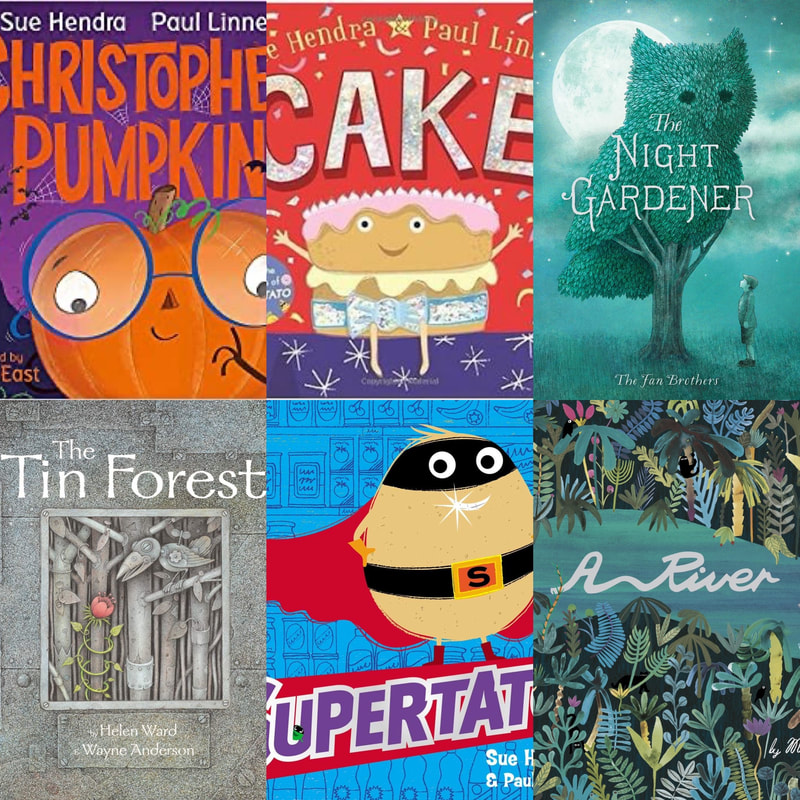
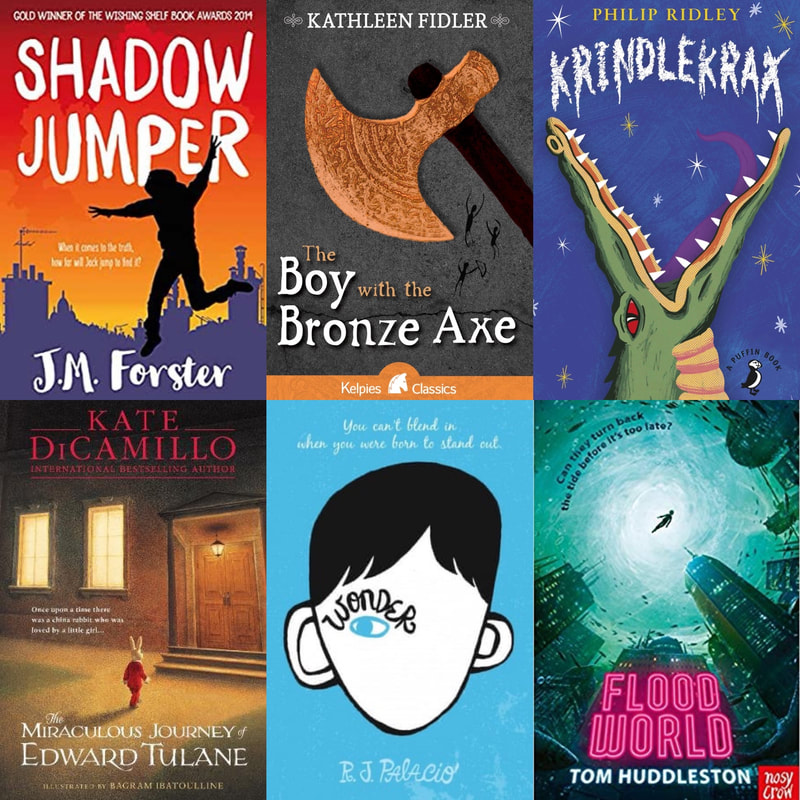
We celebrate World Book Day every year. Here are some wonderful competition entries to our 'Extreme Reading' competition where children were challenged with reading in the most extreme places!Book Talk
Reading with your child can support them in developing a love of reading. The OU have come up with guides and videos to support parents with this. https://ourfp.org/supporting-rah/book-chat-reading-with-your-child/ Book Chat Guide Book Chat Poster Reading Aloud Stories online for children aged 3-5 Stories online for children aged 5-7 Stories online for children aged 7-9 Stories online for children aged 9-11 Booktrust Great Book Guide 2020 Pcture Books Year 1 picture books about fear and worry Year 1 picture books promoting diversity High Quality Texts
We truly believe in the power of a rich, high quality text. If you would like some suggestions then please see the following lists of suggested texts for each year group. Suggested Texts for Pre-school and Nursery Suggested Texts for Reception Pupils Suggested Texts for Year 1 Pupils Suggested Texts for Year 2 Pupils Suggested Texts for Year 3 Pupils Suggested Texts for Year 4 Pupils Suggested Texts for Year 5 Pupils Suggested Texts for Year 6 Pupils For more book lists including 'Books of the Month', 'Ones to Watch' as well as poetry and magazine subscription suggestions head here www.booksfortopics.com/reading-for-pleasure |